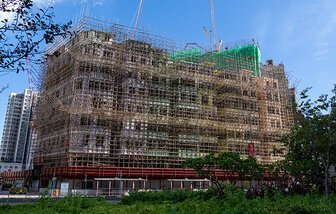
Learn about the different demolition methods available in Merseyside including mechanical demolition and deconstruction. Our comprehensive guide covers essential information on permits and safety protocols required for demolition projects. Whether you are planning a residential renovation or a commercial development, understanding the demolition process can greatly benefit your project. Get answers to common questions and insights on how to properly manage debris disposal and compliance with local regulations.
A Comprehensive Guide to Demolition in Merseyside
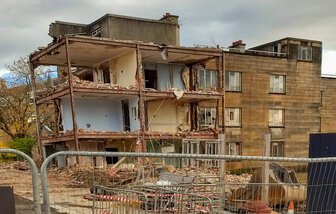
When it comes to demolition in Merseyside, understanding the different methods is essential. The predominant techniques include mechanical demolition and deconstruction.
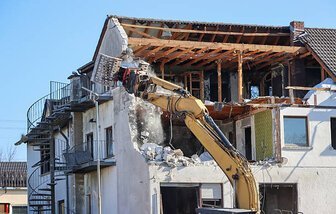
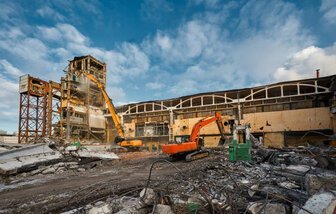
Mechanical demolition is typically faster, employing heavy machinery like excavators to dismantle structures. In contrast, deconstruction is a more systematic approach, focusing on the careful disassembly of a building, allowing for the reuse and recycling of materials.
Permits and Safety Protocols
Before embarking on any demolition project, it is crucial to understand the necessary permits and safety protocols involved. In Merseyside, obtaining the right permits is mandatory to ensure compliance with local regulations.
This may include notifying the local council and securing any environmental assessments required. Furthermore, adhering to safety protocols is vital to protect workers and the surrounding community during the demolition process.
Common Questions About Demolition Projects
Our guide to demolition in Merseyside addresses several common questions that arise during planning. Whether you are managing a residential renovation or a large commercial development, having clear insights into the demolition process can help you make informed decisions.
From selecting the appropriate method to understanding the disposal of debris, our information hub is designed to simplify these complexities.
Planning and Legal Requirements
Understanding demolition notice requirements is essential for any demolition project. According to the Building Act 1984, a six-week notice must be provided to local authorities before commencing work.
A Section 80 demolition notice is an essential legal requirement as outlined under the Building Act 1984. It serves to inform the local council of your intention to demolish a building. Submitting this notice is crucial
Engaging with the council early in the process helps clarify obligations and avoids misunderstandings that may lead to penalties or project delays. To further mitigate demolition risk, it is imperative to engage competent professionals with experience in managing such projects.
Several key factors will affect the overall cost of house demolition. The size of the property is a primary consideration. Larger houses necessitate more time, labor, and equipment, ultimately driving costs higher.
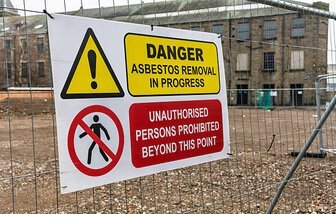
The growing concern surrounding health and safety has led to stringent regulations regarding asbestos-containing materials (ACMs) in construction. In Liverpool, an asbestos demolition survey is a legal requirement before any major
To ensure safety and legal compliance, all demolition projects are mandated to conduct a pre-work asbestos refurbishment or demolition survey. This survey must be performed by a qualified surveyor who specializes in asbestos management.
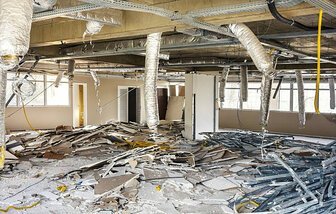
This meticulous technique involves the careful removal of non-structural elements, ensuring that the core structural framework remains intact. Commonly removed items include fixtures, fittings, internal walls, ceilings, and flooring, paving the way for future modifications.
A premature collapse refers to the unexpected failure of a structure during the demolition phase. Understanding the dynamics that lead to these collapses is vital for anyone involved in construction and demolition.
Demolition activities in urban settings, particularly in Liverpool, can significantly affect the environment. It is crucial to approach these tasks with a keen awareness of their potential impacts on air, water, and soil quality.
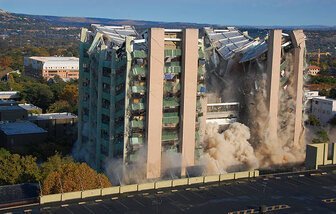
Before any demolition work begins, thorough planning and structural assessment are essential. Professionals assess the integrity of the building and develop a comprehensive plan that outlines the precise steps required for the controlled demolition.
Demolition involves the systematic dismantling of structures and is performed for various reasons, including renovating, redeveloping, or safely removing unsafe buildings. Liverpool utilizes several standard demolition methods that reflect techniques used worldwide.
Demolition activities generate a significant amount of waste, necessitating effective management strategies. The hierarchy of waste management focuses on three key principles: reduce, reuse, and recycle.
To get started with your project, we invite you to fill out the form below. Provide us with your project details, and our dedicated team will carefully review your requirements. This way, we can ensure to get back to you with a customized solution that fits your needs.
Your Project Matters to Us
Whether you are embarking on a small-scale project or a large-scale demolition development, our expertise and resources will guide you every step of the way. We understand that every project is unique, and we are committed to providing solutions tailored specifically for you.
Confirmation and Further Assistance
Once we have received your submission, you will receive a confirmation email. Please remember to check all your email boxes to ensure you do not miss our response. If you prefer, and you have project documentation ready, feel free to send your details and any relevant photographs directly to projects@liverpooldemolition.co.uk. We will examine your documents thoroughly and provide you with a competitive quote, along with a realistic timescale from the beginning to the completion of your project.