
Demolition Planning and Legal Requirements In Liverpool
Understanding the importance of a demolition notice is essential for anyone involved in demolition projects. This article discusses the legal requirements under the Building Act 1984, including the necessity of a six-week notice to local authorities and the submission of a Section 80 notice. It emphasizes adherence to Construction (Design and Management) regulations for the safety of workers and the public. Additionally, it highlights the importance of securing planning permissions in special areas to avoid fines and project delays. A comprehensive demolition plan is crucial for ensuring legal compliance and a successful demolition undertaking.
Understanding Demolition Planning and Notice Requirements in Merseyside
Understanding demolition notice requirements is essential for any demolition project. According to the Building Act 1984, a six-week notice must be provided to local authorities before commencing work.
This prerequisite ensures compliance with safety and environmental regulations and is aimed at protecting neighboring properties from potential hazards associated with demolition activities.
Legal Compliance and Notifications
In addition to the initial notice, the submission of a Section 80 notice is crucial. This serves as formal notification to local authorities of your intentions and includes important details about the demolition process.
Furthermore, adherence to the Construction (Design and Management) regulations is vital for the safety of both workers and the public during demolition projects. By following these guidelines, stakeholders can significantly reduce the risk of accidents and other legal complications.
Planning Permissions in Special Areas
It is also important to note that in certain cases, particularly in conservation or listed areas, obtaining planning permission is necessary.
Understanding your local laws is crucial, as failing to secure the required permissions can result in substantial fines or project delays.
A comprehensive demolition plan, which outlines all aspects of the project and ensures legal compliance, is essential for a successful undertaking.

Plan your demolition project effectively
When it comes to demolishing a structure, it is crucial to understand the legal requirements involved. In Liverpool, you must indeed obtain permission by submitting a demolition notice to the Liverpool City Council at least six weeks prior to the planned demolition date. This protocol is vital to ensure that all safety and regulatory standards are met.
Exceptions to the Demolition Permit Requirement
While getting permission is generally necessary, there are a few notable exceptions that you should be aware of. For instance, if you are demolishing an internal part of an occupied building that will continue to be used, no demolition notice is required. However, it’s important to verify whether building regulations approval is needed for this type of work.
Small Structures and Specific Structures
Additionally, structures with an external volume of less than 1,750 cubic feet (approximately 49 cubic meters) may not require a demolition notice. This means that if your planned project involves smaller constructions, you might be exempt from the lengthy approval process. Also, demolishing a greenhouse, conservatory, shed, or a prefabricated garage that is part of a larger building falls under this exception, enabling a more straightforward approach to these smaller projects.
Ultimately, if you are considering a demolition project, it is always advisable to consult with the local council to clarify the requirements and ensure compliance with all local regulations.
Understanding the Demolition Notice
Before initiating demolition work, submitting a proper demolition notice to the local authority is essential. This notice ensures that all responsible parties are informed and compliant with local regulations. Here’s what you need to include.
Key Components of the Demolition Notice
The first step in crafting a comprehensive demolition notice is to outline the exact name and location of the building. This should include the full address, ensuring that local authorities can easily identify the property involved. In addition, a detailed description of the demolition work planned is necessary. This could include information on whether the demolition is partial or total, and any specific methods you plan to employ.
Additional Requirements for Submission
Another critical inclusion is a site plan at a scale of not less than 1:1250, which illustrates the building’s position and its relationship with adjoining properties. This visual aid helps local authorities assess the potential impact of the demolition on nearby structures. Moreover, a method statement outlining the proposed works must be attached to the notice.
This statement should clearly describe how the demolition will be performed, addressing any safety and environmental considerations. Lastly, if applicable, an asbestos refurbishment and demolition (R&D) survey report must be submitted to indicate the presence of asbestos in the building. Compliance with these requirements not only streamlines the process but also contributes to a safer demolition environment.
Understanding Site Surveys
Before embarking on a demolition project, it’s crucial to conduct specific site surveys. These assessments help identify any risks and ensure safety compliance. They are not only vital for regulatory purposes but also contribute to the effective management of the demolition process.
Legally Required Surveys
One of the primary requirements is the Asbestos Survey. This survey identifies any asbestos-containing materials present on the site, which must be handled carefully to prevent exposure during demolition. Additionally, a Structural Survey may be required, evaluating the stability and integrity of existing structures to inform safe demolition practices.
Environmental and Archaeological Considerations
Another important aspect involves Environmental Impact Assessments (EIA), which assess potential effects on the environment, including flora and fauna. Likewise, if the site is of historical significance or may contain archaeological finds, an Archaeological Survey should be conducted before demolishment. This ensures compliance with local regulations aimed at protecting cultural heritage.

Planning and Legal Requirements
Understanding demolition notice requirements is essential for any demolition project. According to the Building Act 1984, a six-week notice must be provided to local authorities before commencing work.

Demolition Section 80 Notice
A Section 80 demolition notice is an essential legal requirement as outlined under the Building Act 1984. It serves to inform the local council of your intention to demolish a building. Submitting this notice is crucial

Demolition Risk Management
Engaging with the council early in the process helps clarify obligations and avoids misunderstandings that may lead to penalties or project delays. To further mitigate demolition risk, it is imperative to engage competent professionals with experience in managing such projects.
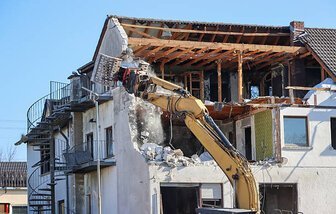
House Demolition Costs
Several key factors will affect the overall cost of house demolition. The size of the property is a primary consideration. Larger houses necessitate more time, labor, and equipment, ultimately driving costs higher.

Demolition Surveys Explained
The growing concern surrounding health and safety has led to stringent regulations regarding asbestos-containing materials (ACMs) in construction. In Liverpool, an asbestos demolition survey is a legal requirement before any major
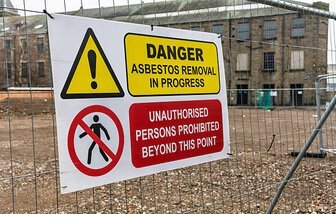
Managing Asbestos In Demolition
To ensure safety and legal compliance, all demolition projects are mandated to conduct a pre-work asbestos refurbishment or demolition survey. This survey must be performed by a qualified surveyor who specializes in asbestos management.
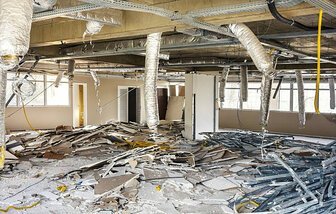
Internal Soft Strip Outs Explained
This meticulous technique involves the careful removal of non-structural elements, ensuring that the core structural framework remains intact. Commonly removed items include fixtures, fittings, internal walls, ceilings, and flooring, paving the way for future modifications.
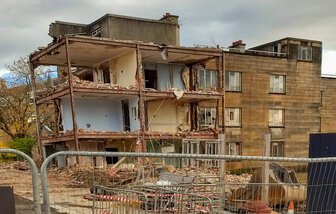
Premature Collapse In Demolition
A premature collapse refers to the unexpected failure of a structure during the demolition phase. Understanding the dynamics that lead to these collapses is vital for anyone involved in construction and demolition.
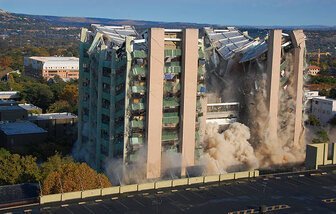
Demolition Environmental Considerations
Demolition activities in urban settings, particularly in Liverpool, can significantly affect the environment. It is crucial to approach these tasks with a keen awareness of their potential impacts on air, water, and soil quality.
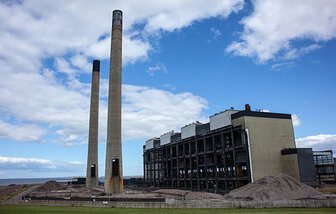
Controlled Demolition Explained
Before any demolition work begins, thorough planning and structural assessment are essential. Professionals assess the integrity of the building and develop a comprehensive plan that outlines the precise steps required for the controlled demolition.
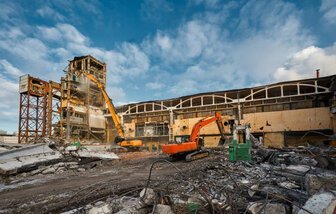
Demolition Methods Explained
Demolition involves the systematic dismantling of structures and is performed for various reasons, including renovating, redeveloping, or safely removing unsafe buildings. Liverpool utilizes several standard demolition methods that reflect techniques used worldwide.
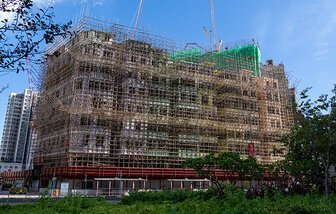
How is waste managed and recycled?
Demolition activities generate a significant amount of waste, necessitating effective management strategies. The hierarchy of waste management focuses on three key principles: reduce, reuse, and recycle.
Ready to start your project?
Let's Work Together
To get started with your project, we invite you to fill out the form below. Provide us with your project details, and our dedicated team will carefully review your requirements. This way, we can ensure to get back to you with a customized solution that fits your needs.
Your Project Matters to Us
Whether you are embarking on a small-scale project or a large-scale demolition development, our expertise and resources will guide you every step of the way. We understand that every project is unique, and we are committed to providing solutions tailored specifically for you.
Confirmation and Further Assistance
Once we have received your submission, you will receive a confirmation email. Please remember to check all your email boxes to ensure you do not miss our response. If you prefer, and you have project documentation ready, feel free to send your details and any relevant photographs directly to projects@liverpooldemolition.co.uk. We will examine your documents thoroughly and provide you with a competitive quote, along with a realistic timescale from the beginning to the completion of your project.