
Understanding Section 80 Demolition Notices: A Comprehensive Guide In Liverpool
Understanding the importance of a demolition notice is essential for anyone involved in demolition projects. This article discusses the legal requirements under the Building Act 1984, including the necessity of a six-week notice to local authorities and the submission of a Section 80 notice. It emphasizes adherence to Construction (Design and Management) regulations for the safety of workers and the public. Additionally, it highlights the importance of securing planning permissions in special areas to avoid fines and project delays. A comprehensive demolition plan is crucial for ensuring legal compliance and a successful demolition undertaking.
What is a Section 80 Demolition Notice/ Permits Liverpool?
A Section 80 demolition notice is an essential legal requirement as outlined under the Building Act 1984. It serves to inform the local council of your intention to demolish a building. Submitting this notice is crucial, as it establishes a formal communication channel between you and the local authority.
Key Details Required in the Notice
The notice must include specific information regarding the building to be demolished, the nature of the demolition work, and your contact details as well as those of the contractor involved.
This transparency helps ensure that all parties are aware of the demolition plans and can address any concerns that may arise.
Timeline and Council Response
It is important to submit the demolition notice at least six weeks prior to the intended start date of the demolition work. After receiving the notice, the local council has the authority to issue a “counter notice” under Section 81, outlining any conditions that must be followed during the demolition process.
Adhering to these conditions is mandatory; therefore, demolition cannot commence until the six-week period has elapsed or all requirements have been satisfied.
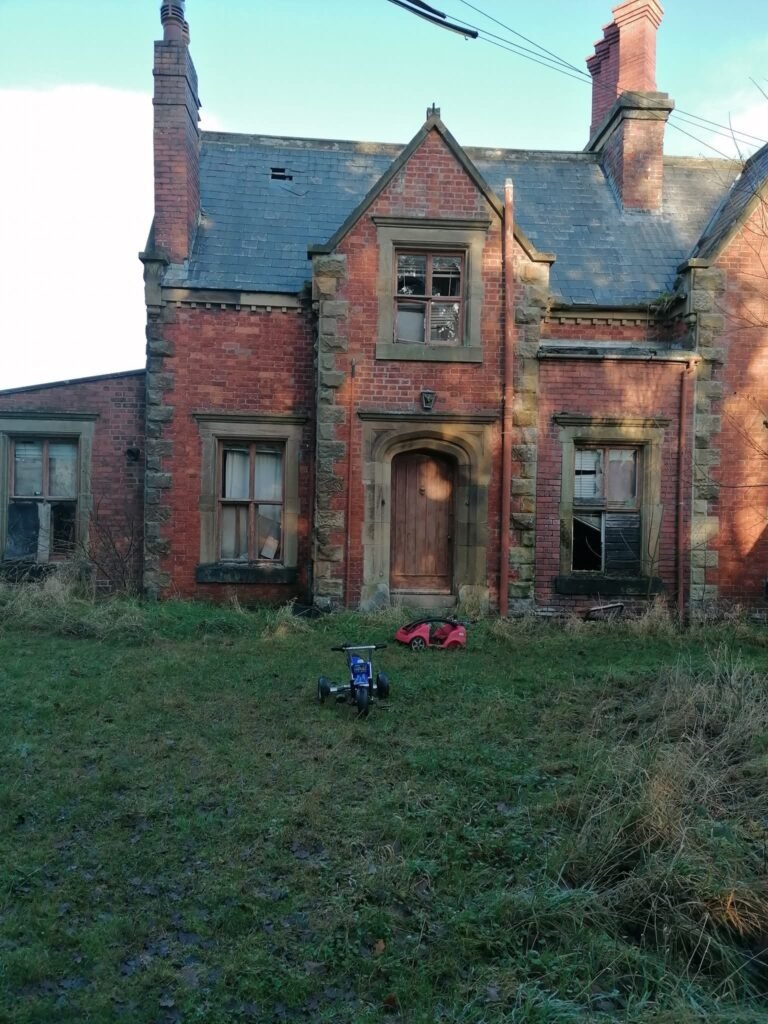

Planning and Legal Requirements
Understanding demolition notice requirements is essential for any demolition project. According to the Building Act 1984, a six-week notice must be provided to local authorities before commencing work.

Demolition Section 80 Notice
A Section 80 demolition notice is an essential legal requirement as outlined under the Building Act 1984. It serves to inform the local council of your intention to demolish a building. Submitting this notice is crucial

Demolition Risk Management
Engaging with the council early in the process helps clarify obligations and avoids misunderstandings that may lead to penalties or project delays. To further mitigate demolition risk, it is imperative to engage competent professionals with experience in managing such projects.
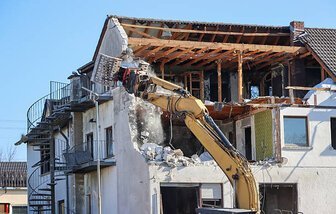
House Demolition Costs
Several key factors will affect the overall cost of house demolition. The size of the property is a primary consideration. Larger houses necessitate more time, labor, and equipment, ultimately driving costs higher.

Demolition Surveys Explained
The growing concern surrounding health and safety has led to stringent regulations regarding asbestos-containing materials (ACMs) in construction. In Liverpool, an asbestos demolition survey is a legal requirement before any major
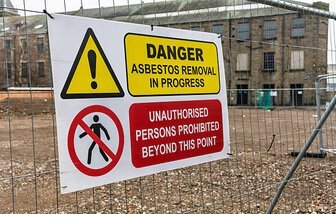
Managing Asbestos In Demolition
To ensure safety and legal compliance, all demolition projects are mandated to conduct a pre-work asbestos refurbishment or demolition survey. This survey must be performed by a qualified surveyor who specializes in asbestos management.
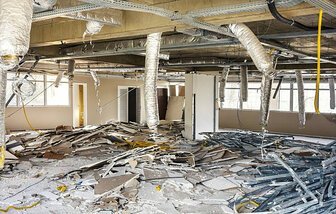
Internal Soft Strip Outs Explained
This meticulous technique involves the careful removal of non-structural elements, ensuring that the core structural framework remains intact. Commonly removed items include fixtures, fittings, internal walls, ceilings, and flooring, paving the way for future modifications.
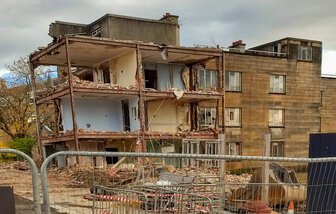
Premature Collapse In Demolition
A premature collapse refers to the unexpected failure of a structure during the demolition phase. Understanding the dynamics that lead to these collapses is vital for anyone involved in construction and demolition.
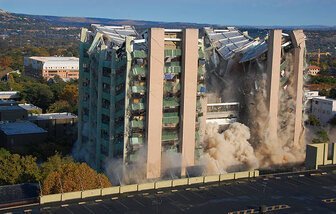
Demolition Environmental Considerations
Demolition activities in urban settings, particularly in Liverpool, can significantly affect the environment. It is crucial to approach these tasks with a keen awareness of their potential impacts on air, water, and soil quality.
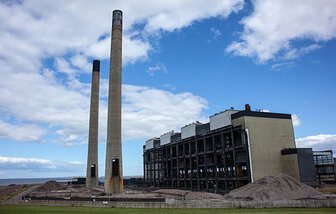
Controlled Demolition Explained
Before any demolition work begins, thorough planning and structural assessment are essential. Professionals assess the integrity of the building and develop a comprehensive plan that outlines the precise steps required for the controlled demolition.
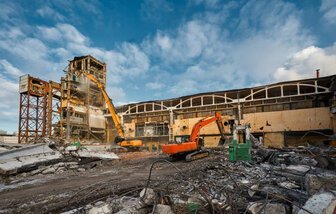
Demolition Methods Explained
Demolition involves the systematic dismantling of structures and is performed for various reasons, including renovating, redeveloping, or safely removing unsafe buildings. Liverpool utilizes several standard demolition methods that reflect techniques used worldwide.
How is waste managed and recycled?
Demolition activities generate a significant amount of waste, necessitating effective management strategies. The hierarchy of waste management focuses on three key principles: reduce, reuse, and recycle.
Additional Information on Section 80 Notices/Permits In Liverpool
Understanding the Section 80 Notice
The Section 80 notice is a crucial document that must be prepared and submitted for demolition works. This notice informs relevant authorities about the intended demolition and must contain specific details to ensure compliance with local regulations.
Building Details and Demolition Works
First and foremost, it is important to include the exact address of the building to be demolished. Accompanying this information, a clear description of the structure is necessary. This should provide insights into the building’s current condition and its historical or architectural significance, if applicable.
Additionally, the notice should outline the intended demolition works. This includes not just the method of demolition but also any measures that will be taken to protect the surrounding area and comply with safety regulations.
Involved Parties and Site Plan
Next, the notice must list all parties involved in the demolition project. This includes the names and addresses of the owner and the demolition contractor, as well as any other relevant persons or organizations. Clear communication among all parties ensures a smooth demolition process.
Moreover, a comprehensive site plan must be provided. This document should accurately depict the site, clearly highlighting the building(s) slated for demolition, thus allowing authorities to assess the potential impacts of the demolition.
Timelines for the Project
Lastly, the proposed timeline of the project is essential. It should indicate the expected start and completion dates for the demolition works, providing a framework that helps to manage expectations and plan for the necessary resources effectively.
Notify Other Parties
Before commencing any demolition work, it is crucial to notify relevant parties to ensure compliance with local regulations. You must send a copy of the notice to your gas and electricity suppliers, as their services may be affected by the demolition process. Additionally, informing adjacent property owners and other relevant authorities helps maintain transparency and minimizes disputes during the project.
Wait for a Response
After submitting your demolition notice, patience is key. According to local regulations, you cannot initiate demolition activities until the six-week period has passed or you receive a response from the council in the form of a counter notice (often referred to as a Section 81 notice). This response will outline any specific conditions you must adhere to before proceeding with demolition.
Pay Any Required Fees
Be aware that there may be fees associated with the council’s review of your demolition notice. These fees could apply before a counter notice is issued. It is essential to budget for these costs as part of your overall demolition expenses. Failing to pay any applicable fees can result in further delays in receiving your necessary approvals.
Understand Potential Penalties
Lastly, it is important to recognize the consequences of not adhering to the demolition notice process. Initiating demolition without a valid notice constitutes an offense and can result in significant fines. Ensuring compliance with all legal requirements before starting work is vital to avoid these penalties and build a smooth demolition process.
Timeline for Responding to a Section 80 Notice
When we receive your Section 80 notice, it initiates a process that we closely monitor. We have a legal obligation to send you a counter notice within six weeks of receiving your initial notice. The counter notice outlines the specific conditions you will need to adhere to during the demolition process. This timeframe is critical as it ensures adherence to local planning guidelines.
What Happens Next?
Upon receipt of our counter notice, it is crucial that you thoroughly review the listed conditions. These requirements are designed to ensure that the demolition is conducted responsibly and minimizes disruption to the local environment. Understanding these stipulations will help you navigate the next steps in your demolition project effectively, ensuring compliance and a smoother operation.
Exemptions to the Section 80 Notice
Under current regulations, there are three primary exemptions that allow individuals to forgo submitting a Section 80 notice. Understanding these exemptions can save time and resources in the planning process.
Details of the Exemptions
The first exemption applies to constructions such as a shed, greenhouse, or conservatory. These types of structures generally do not require a Section 80 notice, provided they meet other local regulations. Secondly, prefabricated garages fall under this exemption; homeowners can install them without the need for formal notice. Lastly, any building with a cubic content of less than 1,750 cubic feet is exempt from needing a Section 80 notice.
It is notable that if demolition is due to an official demolition order, a Section 80 notice is also unnecessary. Understanding these exemptions can help individuals navigate local regulations effectively and avoid unnecessary paperwork.
Ready to start your project?
Let's Work Together
To get started with your project, we invite you to fill out the form below. Provide us with your project details, and our dedicated team will carefully review your requirements. This way, we can ensure to get back to you with a customized solution that fits your needs.
Your Project Matters to Us
Whether you are embarking on a small-scale project or a large-scale demolition development, our expertise and resources will guide you every step of the way. We understand that every project is unique, and we are committed to providing solutions tailored specifically for you.
Confirmation and Further Assistance
Once we have received your submission, you will receive a confirmation email. Please remember to check all your email boxes to ensure you do not miss our response. If you prefer, and you have project documentation ready, feel free to send your details and any relevant photographs directly to projects@liverpooldemolition.co.uk. We will examine your documents thoroughly and provide you with a competitive quote, along with a realistic timescale from the beginning to the completion of your project.