
Ensuring Safety in Demolition: Managing Asbestos in Liverpool
Understanding asbestos demolition surveys is crucial for ensuring health and safety in construction. In Liverpool, these surveys are a legal requirement for buildings established before 2000, helping to identify asbestos-containing materials (ACMs) before demolition or refurbishment. Qualified professionals conduct thorough examinations to evaluate ACM conditions, safeguarding workers and the public from serious health risks. Discover the importance of obtaining an asbestos demolition survey and adhere to regulations to maintain a safe environment during construction activities.
Understanding Asbestos Management Requirements
When it comes to demolition projects in Liverpool, managing asbestos is a critical aspect that cannot be overlooked. Asbestos-containing materials (ACMs) pose significant health risks to workers and the environment.
To ensure safety and legal compliance, all demolition projects are mandated to conduct a pre-work asbestos refurbishment or demolition survey. This survey must be performed by a qualified surveyor who specializes in asbestos management.
The Importance of a Pre-Work Survey
The primary goal of the pre-work survey is to identify and locate any ACMs within the structure prior to demolition. By recognizing these hazardous materials before work begins, a comprehensive plan can be established for their safe removal or management.
This not only protects the health of workers but also helps mitigate potential legal issues that may arise from improper asbestos handling.
Legal Compliance and Worker Safety
In Liverpool, compliance with asbestos management regulations is not just a best practice; it is a legal requirement. Failure to conduct the necessary surveys and implement safety measures can lead to severe penalties and risks to workers’ health.
Therefore, it is imperative for demolition companies to partner with qualified professionals to ensure adherence to all legal standards regarding asbestos management.
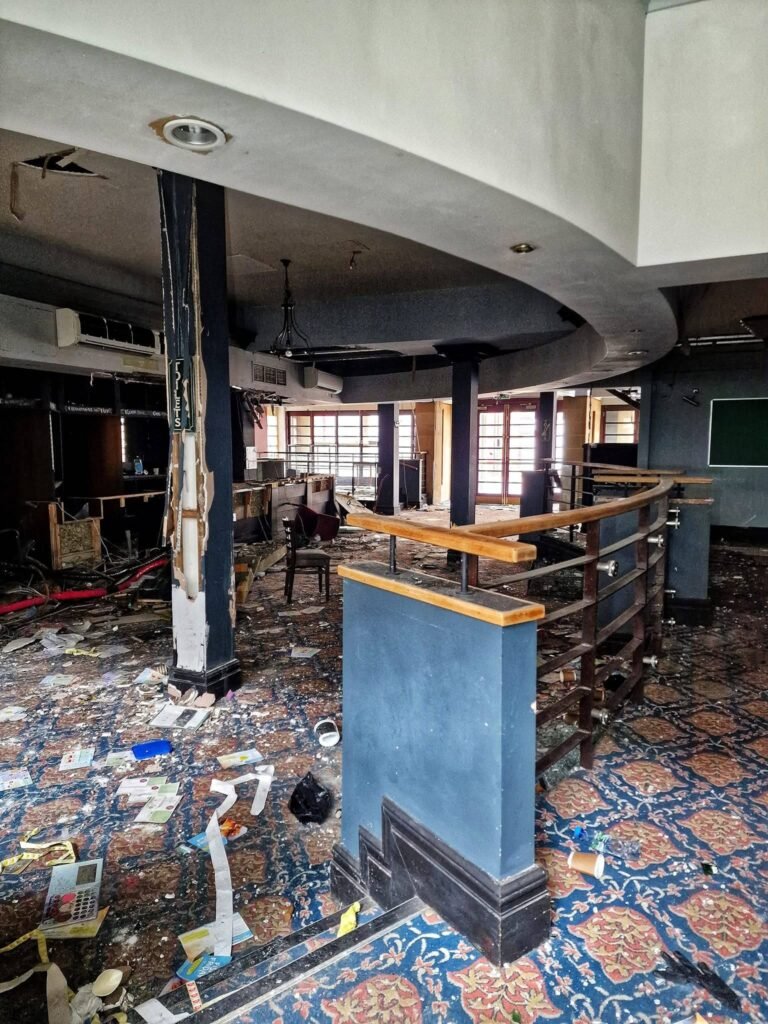
Your Frequently Asked Questions About Asbestos Management in Liverpool
Understanding the Role of an Asbestos Surveyor
When it comes to assessing properties for health hazards, hiring a qualified surveyor becomes essential. An asbestos surveyor specializes in detecting the presence and condition of asbestos materials, which can pose significant risks if not properly managed. This professional plays a critical role in safeguarding the health of occupants by ensuring that potential hazards are identified early.
How an Asbestos Surveyor Works
Upon hiring a qualified surveyor, a comprehensive assessment is conducted. This includes visual inspections and sampling of suspected materials. The surveyor evaluates the condition of asbestos-containing materials (ACMs) and determines their potential to release fibers into the air. Following this, they will create a detailed report that outlines the survey findings, addressing any hazards identified during the process.
Developing a Management Plan
One of the key components of their role is to develop a clear and actionable management plan. This plan details required actions for managing or removing ACMs, ensuring compliance with safety regulations. By taking appropriate measures based on the surveyor’s recommendations, property owners can protect the health of occupants and mitigate legal liabilities associated with asbestos exposure.
Understanding Asbestos Risks
Asbestos is a naturally occurring mineral once widely used in construction and insulation materials due to its durability and heat resistance. However, exposure to asbestos fibers can cause severe health issues, including lung diseases and cancer. Based on survey results, assessing the presence of asbestos in your environment is crucial to ensure the safety of all workers.
Planning for Safe Asbestos Removal
Once asbestos is identified, immediate planning for its safe removal or management is essential. This includes seeking professional services certified in asbestos handling. A thorough removal plan should factor in the type and amount of asbestos present, potential exposure risks, and safe disposal methods. By complying with local regulations and guidelines, you can protect workers and ensure safer working conditions.
Ongoing Management and Safety Precautions
If removal is not an option, establishing an effective management plan is the next best step. This may involve regular inspections, air quality monitoring, and immediate action protocols if asbestos damage is detected. Educating workers on the risks and safety practices related to asbestos management is also vital. Regular training contributes to a workplace culture of safety and preparedness, minimizing risks of exposure to hazardous fibers.
Understanding Asbestos Regulations
Asbestos is a hazardous material that can pose severe health risks. To mitigate these risks, the Control of Asbestos Regulations 2012 was established to ensure safety and compliance among property owners and employers. These regulations outline specific obligations to manage asbestos effectively and safeguard public health.
Importance of Asbestos Surveys
One of the primary requirements of the Control of Asbestos Regulations 2012 is the necessity for thorough asbestos surveys. These surveys are essential in identifying the presence of asbestos in buildings that may be disturbed during renovation, demolition, or repair works. By following legal obligations, property owners can prevent potential exposure and ensure the safety of occupants and workers.
Ensuring Compliance and Safe Handling
Compliance with the Control of Asbestos Regulations 2012 also mandates proper handling and disposal of asbestos-containing materials. This includes training employees to recognize asbestos, properly implementing control measures, and keeping accurate records. By adhering to these guidelines, organizations demonstrate their commitment to safety and legal obligations while minimizing the risks associated with asbestos exposure.
Understanding Asbestos Removal
Asbestos is a hazardous material that requires careful handling and removal by professionals. If you suspect the presence of asbestos in your home or workplace, it is crucial to coordinate with removal specialists. Asbestos can pose serious health risks if disturbed, and managing its removal should never be taken lightly.
The Importance of Specialist Contractors
Engaging specialist asbestos removal contractors is essential for ensuring that the process is conducted safely and efficiently. These professionals are trained to handle asbestos, equipped with the right tools, and knowledgeable about the regulations governing asbestos removal. They will assess the situation, develop a comprehensive removal plan, and execute it in compliance with safety standards.
Steps to a Safe Asbestos Removal
The first step in the process is to have a qualified contractor inspect your property. This inspection helps to ascertain the extent of the asbestos presence, after which the contractors can coordinate with you on the best course of action. Proper removal involves sealing off the area, using protective gear, and correctly disposing of the material. By coordinating with professionals, you can ensure that the job is done right, minimizing risks to your health and safety.
Understanding Asbestos Risks
Asbestos is a material that was widely used in construction before its health risks became known. Even in modern demolition projects, it’s essential to be prepared for the possibility of hidden asbestos. Sometimes, this hazardous material may not be fully identified in the initial survey, only to surface during the demolition process itself. Understanding these risks is critical for the safety of workers and the surrounding environment.
Importance of a Comprehensive Plan
To effectively handle unexpected asbestos findings, having a comprehensive plan is crucial. This plan should outline protocols for identifying, removing, and disposing of asbestos safely. A well-structured approach not only ensures compliance with regulations but also minimizes potential health risks associated with exposure to asbestos fibers.
Benefits of a Single Contractor Approach
Utilizing a single contractor that specializes in both demolition and asbestos removal can greatly simplify the management of these complex tasks. Coordinating all aspects through one entity streamlines communication, reduces the chances of costly delays, and ensures that safety protocols are strictly followed. This integrative method allows for a seamless transition when hidden asbestos is discovered, ensuring that both demolition and remediation processes are handled efficiently and effectively.

Planning and Legal Requirements
Understanding demolition notice requirements is essential for any demolition project. According to the Building Act 1984, a six-week notice must be provided to local authorities before commencing work.

Demolition Section 80 Notice
A Section 80 demolition notice is an essential legal requirement as outlined under the Building Act 1984. It serves to inform the local council of your intention to demolish a building. Submitting this notice is crucial

Demolition Risk Management
Engaging with the council early in the process helps clarify obligations and avoids misunderstandings that may lead to penalties or project delays. To further mitigate demolition risk, it is imperative to engage competent professionals with experience in managing such projects.
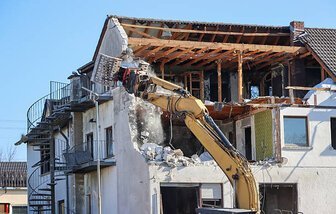
House Demolition Costs
Several key factors will affect the overall cost of house demolition. The size of the property is a primary consideration. Larger houses necessitate more time, labor, and equipment, ultimately driving costs higher.

Demolition Surveys Explained
The growing concern surrounding health and safety has led to stringent regulations regarding asbestos-containing materials (ACMs) in construction. In Liverpool, an asbestos demolition survey is a legal requirement before any major
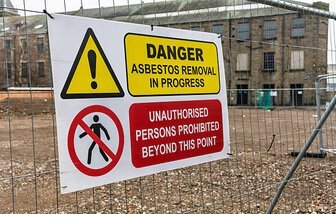
Managing Asbestos In Demolition
To ensure safety and legal compliance, all demolition projects are mandated to conduct a pre-work asbestos refurbishment or demolition survey. This survey must be performed by a qualified surveyor who specializes in asbestos management.
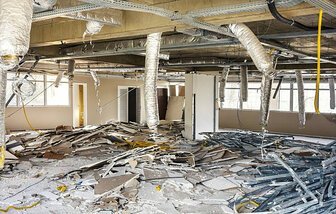
Internal Soft Strip Outs Explained
This meticulous technique involves the careful removal of non-structural elements, ensuring that the core structural framework remains intact. Commonly removed items include fixtures, fittings, internal walls, ceilings, and flooring, paving the way for future modifications.
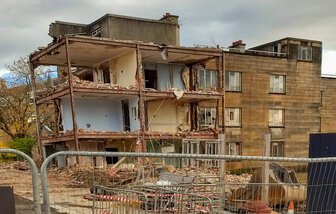
Premature Collapse In Demolition
A premature collapse refers to the unexpected failure of a structure during the demolition phase. Understanding the dynamics that lead to these collapses is vital for anyone involved in construction and demolition.
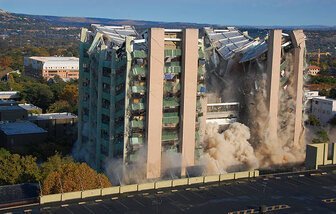
Demolition Environmental Considerations
Demolition activities in urban settings, particularly in Liverpool, can significantly affect the environment. It is crucial to approach these tasks with a keen awareness of their potential impacts on air, water, and soil quality.
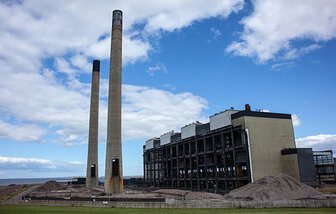
Controlled Demolition Explained
Before any demolition work begins, thorough planning and structural assessment are essential. Professionals assess the integrity of the building and develop a comprehensive plan that outlines the precise steps required for the controlled demolition.
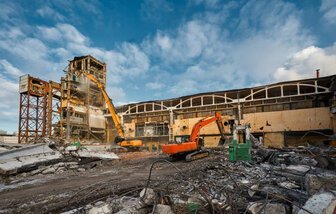
Demolition Methods Explained
Demolition involves the systematic dismantling of structures and is performed for various reasons, including renovating, redeveloping, or safely removing unsafe buildings. Liverpool utilizes several standard demolition methods that reflect techniques used worldwide.

How is waste managed and recycled?
Demolition activities generate a significant amount of waste, necessitating effective management strategies. The hierarchy of waste management focuses on three key principles: reduce, reuse, and recycle.
Ready to start your project?
Let's Work Together
To get started with your project, we invite you to fill out the form below. Provide us with your project details, and our dedicated team will carefully review your requirements. This way, we can ensure to get back to you with a customized solution that fits your needs.
Your Project Matters to Us
Whether you are embarking on a small-scale project or a large-scale demolition development, our expertise and resources will guide you every step of the way. We understand that every project is unique, and we are committed to providing solutions tailored specifically for you.
Confirmation and Further Assistance
Once we have received your submission, you will receive a confirmation email. Please remember to check all your email boxes to ensure you do not miss our response. If you prefer, and you have project documentation ready, feel free to send your details and any relevant photographs directly to projects@liverpooldemolition.co.uk. We will examine your documents thoroughly and provide you with a competitive quote, along with a realistic timescale from the beginning to the completion of your project.