
The Art of Controlled Demolition in Liverpool
Discover the intricacies of controlled demolition in Liverpool, a precise method for dismantling buildings safely and efficiently. Learn about the essential planning and preparation involved, as well as the techniques used, including explosives and mechanical equipment. Understand how experts ensure minimal disruption to the surrounding environment while safeguarding nearby structures during the demolition process. Stay informed about the industry practices that prioritize safety and community considerations in densely populated areas.
Understanding Controlled Demolition
Controlled demolition is a method used to dismantle buildings with precision and strategy. In Liverpool, this process is often employed to minimize disruption in densely populated areas.
Experts in the field use specialized techniques that allow for a safe and efficient dismantling of structures, ensuring that the surrounding environment is protected.
Planning and Preparation
Before any demolition work begins, thorough planning and structural assessment are essential. Professionals assess the integrity of the building and develop a comprehensive plan that outlines the precise steps required for the controlled demolition.
Factors such as the building’s location, its structural makeup, and potential impacts on nearby structures are all taken into consideration.
Techniques Used in Demolition
Controlled demolition in Liverpool utilizes both explosives and mechanical equipment to achieve safe outcomes. The use of explosives allows for a swift collapse of the building, while mechanical methods can be employed for smaller structures or sensitive environments.
Each method is chosen based on its efficacy and the minimization of noise, dust, and vibration, ensuring that local residents are kept informed and affected as little as possible.
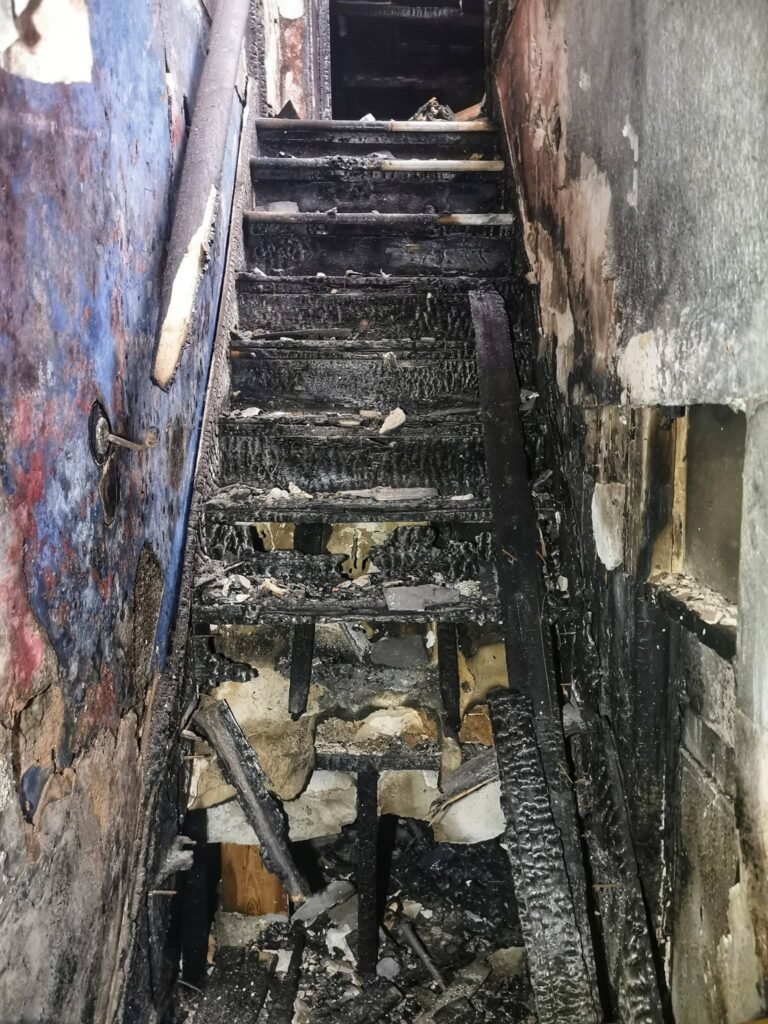
Understanding Controlled Demolition: Key Aspects You Should Know
Understanding Strategic Dismantling
Strategic dismantling is a sophisticated approach to demolition that emphasizes careful planning over brute force. This method is not just about bringing a structure down; it’s about controlling the way it falls. By analyzing the building’s architecture and the surrounding environment, experts can determine the right sequence of actions needed to achieve a safe and successful demolition.
The Importance of Planning
Effective strategic dismantling requires a comprehensive assessment of the structure. Professionals must consider the materials, load-bearing elements, and potential hazards associated with demolition. By prioritizing safety and precision, experts can devise a plan that ensures the structure will fall in a controlled manner, reducing the risk of collateral damage to nearby buildings and infrastructure.
Key Techniques Used in Demolition
In the realm of strategic dismantling, various techniques are employed to systematically take apart a structure. Methods such as sequential cutting or carefully timed explosions can guide the dismantling process. By meticulously establishing the order in which sections are removed, specialists ensure that the building collapses as intended, showcasing the efficacy of strategic dismantling. This level of careful orchestration distinguishes experienced demolition professionals from those who rely solely on force.
What is Risk Minimization?
Risk minimization refers to the strategies employed to reduce potential hazards and ensure safety for individuals and surrounding properties. The primary goal is to control various risks, particularly in contexts where structural collapse or similar disasters may occur. By applying effective risk minimization measures, communities can enhance safety and foster a secure living environment.
Importance of Safety Measures
The integrity of buildings and infrastructure is crucial for public safety. Risk minimization plays a vital role in safeguarding not just the lives of individuals but also the properties and environments around them. Procedures such as structural assessments, regular inspections, and adherence to building codes are essential components of comprehensive safety measures.
Strategies for Effective Risk Reduction
To accomplish effective risk minimization, several strategies can be implemented. These include rigorous training for emergency responders, public awareness campaigns regarding safety practices, and stringent enforcement of safety regulations. Investing in technology that monitors structural integrity can also significantly reduce hazards associated with potential collapses.
Introduction to Specialized Techniques
In the realm of project management, the choice of methods plays a pivotal role in ensuring success. Specialized techniques are tailored to meet the unique demands of each project, allowing teams to navigate challenges effectively.
Selecting the Right Method for Your Project
The initial step in employing specialized techniques is assessing the specific needs of the project. Factors such as project size, complexity, and desired outcomes must be considered. Common methods include agile, waterfall, and hybrid approaches, each suited to different project types. By analyzing these facets, project managers can make informed decisions that enhance efficiency.
Benefits of Implementing Specialized Techniques
Utilizing specialized techniques not only streamlines processes but also fosters a collaborative environment among team members. For instance, an agile approach encourages adaptive planning and rapid response to change, promoting innovation and engagement. Moreover, these techniques can lead to higher quality deliverables, as they often incorporate feedback loops and continual improvement practices.
In conclusion, the integration of specialized techniques into project management is essential for achieving optimal results. By selecting the appropriate methods based on the project’s requirements, teams can enhance their effectiveness and ensure the successful completion of their objectives.
What Are Controlled Explosives?
Controlled explosives refer to a specific category of explosives that are used strategically during demolition projects. These explosives are carefully placed charges that target critical support points within a structure. The objective is not merely to destroy a structure but to do so in a manner that ensures maximum safety and efficiency.
The Mechanics of Controlled Explosives
The process involves meticulously planning the placement of each charge. When detonated, controlled explosives weaken the designated support points, causing the structure to collapse inwards, thereby preventing debris from scattering outward. This minimizes risks to nearby structures and indiscriminately placed personnel. Effective demolition requires precision, and the use of controlled explosives is a hallmark of modern engineering practices.
Safety Considerations
While the use of controlled explosives is efficient and effective, it comes with significant safety considerations. Only trained professionals should handle and detonate these explosives. They must assess the structural integrity and surrounding environment before initiating the demolition process. Adhering to safety protocols ensures that potential hazards are managed, making controlled explosions a secure method of demolition.
Introduction to Mechanical Methods
Mechanical methods for construction and renovation represent an innovative approach to performing work in sensitive or constrained environments. These methods involve specialized tools designed to enhance precision while minimizing disruption to surrounding areas.
Specialized Equipment for Efficient Work
Tools such as cutting and bursting equipment exemplify the advancements in mechanical methods. These specialized devices enable contractors to execute tasks that require high levels of accuracy, making them particularly useful in urban settings or near sensitive infrastructure.
The Advantages of Using Mechanical Tools
Using mechanical methods not only increases efficiency but also reduces noise and vibration, which is essential in sensitive areas. For instance, traditional demolition techniques often generate excessive debris and disturbances. In contrast, mechanical tools offer a more controlled approach, thereby promoting safer operations and less impact on the environment.
Understanding Detailed Planning
Detailed planning is a critical phase in any construction project, as it sets the foundation for successful execution. This process involves a thorough site assessment to evaluate the existing conditions and potential challenges. Effective planning not only ensures that the project runs smoothly, but it also mitigates risks and enhances overall safety.
Hazard Identification
One of the vital aspects of detailed planning is hazard identification. A thorough evaluation must be conducted to identify potential hazards, such as asbestos or other environmental concerns. Recognizing these hazards early on allows project managers to implement appropriate safety measures, safeguarding both workers and future occupants of the site.
Compliance with Regulations and Permits
Another essential component of detailed planning is ensuring compliance with local regulations and obtaining the necessary permits. Each construction project must adhere to specific guidelines, which vary by location. A well-structured planning phase includes thorough research and coordination with local authorities to guarantee that all legal requirements are met. This proactive approach not only helps in avoiding delays and fines but also fosters a trustworthy relationship with the community.
In conclusion, detailed planning is an engineered process demanding meticulous attention to site assessment, hazard identification, and regulatory compliance. Investing time in thorough planning helps ensure the project’s success and safety, ultimately leading to a more efficient construction process.

Planning and Legal Requirements
Understanding demolition notice requirements is essential for any demolition project. According to the Building Act 1984, a six-week notice must be provided to local authorities before commencing work.

Demolition Section 80 Notice
A Section 80 demolition notice is an essential legal requirement as outlined under the Building Act 1984. It serves to inform the local council of your intention to demolish a building. Submitting this notice is crucial

Demolition Risk Management
Engaging with the council early in the process helps clarify obligations and avoids misunderstandings that may lead to penalties or project delays. To further mitigate demolition risk, it is imperative to engage competent professionals with experience in managing such projects.
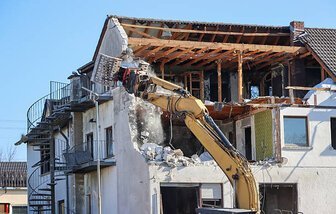
House Demolition Costs
Several key factors will affect the overall cost of house demolition. The size of the property is a primary consideration. Larger houses necessitate more time, labor, and equipment, ultimately driving costs higher.

Demolition Surveys Explained
The growing concern surrounding health and safety has led to stringent regulations regarding asbestos-containing materials (ACMs) in construction. In Liverpool, an asbestos demolition survey is a legal requirement before any major
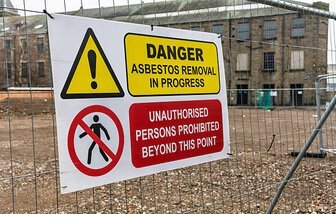
Managing Asbestos In Demolition
To ensure safety and legal compliance, all demolition projects are mandated to conduct a pre-work asbestos refurbishment or demolition survey. This survey must be performed by a qualified surveyor who specializes in asbestos management.
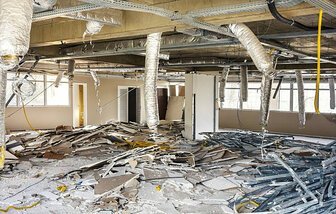
Internal Soft Strip Outs Explained
This meticulous technique involves the careful removal of non-structural elements, ensuring that the core structural framework remains intact. Commonly removed items include fixtures, fittings, internal walls, ceilings, and flooring, paving the way for future modifications.
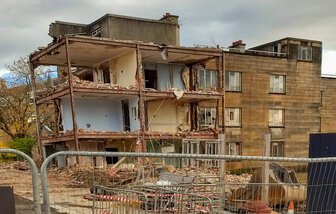
Premature Collapse In Demolition
A premature collapse refers to the unexpected failure of a structure during the demolition phase. Understanding the dynamics that lead to these collapses is vital for anyone involved in construction and demolition.
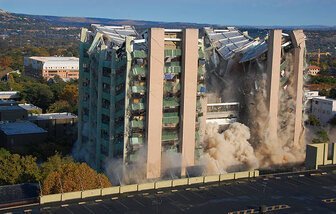
Demolition Environmental Considerations
Demolition activities in urban settings, particularly in Liverpool, can significantly affect the environment. It is crucial to approach these tasks with a keen awareness of their potential impacts on air, water, and soil quality.
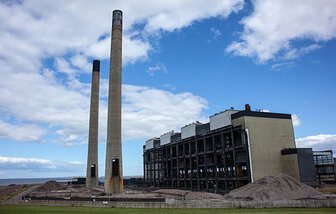
Controlled Demolition Explained
Before any demolition work begins, thorough planning and structural assessment are essential. Professionals assess the integrity of the building and develop a comprehensive plan that outlines the precise steps required for the controlled demolition.
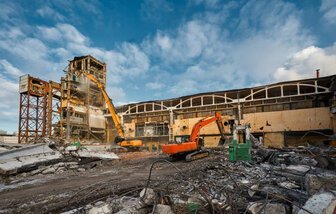
Demolition Methods Explained
Demolition involves the systematic dismantling of structures and is performed for various reasons, including renovating, redeveloping, or safely removing unsafe buildings. Liverpool utilizes several standard demolition methods that reflect techniques used worldwide.

How is waste managed and recycled?
Demolition activities generate a significant amount of waste, necessitating effective management strategies. The hierarchy of waste management focuses on three key principles: reduce, reuse, and recycle.
Ready to start your project?
Let's Work Together
If you’re looking to initiate a project, you’re in the right place. To get started, please complete the form provided below. Share your project details, and our dedicated team will review your requirements promptly. Our goal is to offer tailored solutions that cater specifically to your needs.
Once we receive your submission, you will receive a confirmation email. We encourage you to check all your email boxes to ensure you don’t miss our response. Our team is committed to promptly reviewing your project details, whether it involves a small-scale endeavor or a large-scale development.
Direct Submissions for Faster Quotes
If you already have a project in mind and would like to receive a direct price quote, please feel free to send us your project documents and any relevant photographs at projects@completeuk.uk. We will meticulously evaluate these documents and provide you with a competitive quote along with a clear timelines for the entire process—from inception to completion.