
Environmental Considerations Surrounding Demolition In Liverpool
Understanding the environmental impact of demolition activities is essential, particularly in urban settings like Liverpool. Responsible demolition practices are vital for safeguarding air, water, and soil quality while promoting community well-being. By managing hazardous materials and implementing rigorous management plans, demolition projects can significantly reduce pollution and enhance air quality. Furthermore, maximizing resource recovery through recycling and reusing materials not only minimizes landfill waste but also aids in conserving resources for future generations. Discover how sustainable practices in demolition can contribute to a cleaner, greener Liverpool.
Environmental Considerations in Demolition: A Sustainable Approach in Liverpool
Demolition activities in urban settings, particularly in Liverpool, can significantly affect the environment. It is crucial to approach these tasks with a keen awareness of their potential impacts on air, water, and soil quality.
Engaging in responsible demolition not only safeguards natural resources but also promotes community well-being.
Mitigating Negative Environmental Impacts
To minimize damage to the environment during demolition processes, managing hazardous materials is paramount. This includes careful identification and disposal of asbestos, lead, and other harmful substances.
Implementing a rigorous management plan helps control pollution levels, contributing to cleaner air and healthier surroundings. Efforts to monitor and reduce emissions during demolition can significantly mitigate adverse effects on air quality.
Maximizing Resource Recovery through Sustainable Practices
Resource recovery is a critical goal in sustainable demolition practices. By employing techniques that prioritize recycling and reusing materials, demolition projects can significantly reduce waste sent to landfills.
Strategies may include separating recyclable materials on-site and collaborating with specialized recycling facilities. Sustainable practices not only minimize landfill waste but also contribute to conserving resources for future use, thereby supporting Liverpool’s commitment to greener practices.
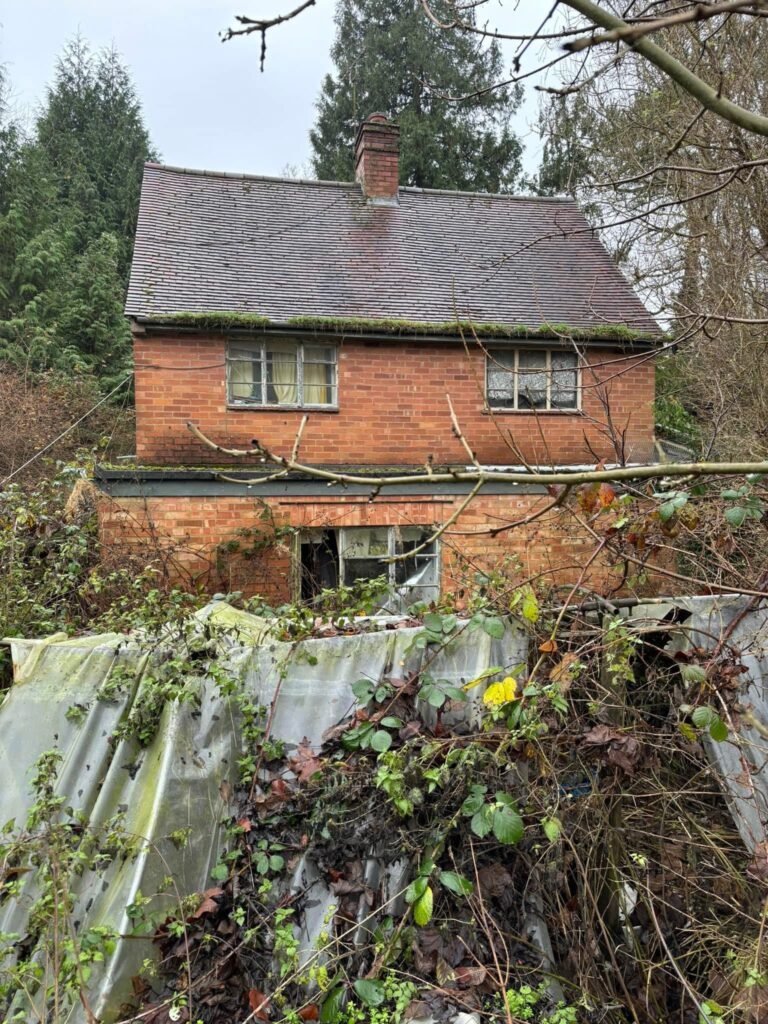
Additional Information regarding environmental control In Liverpool
Understanding Waste Generation in Demolition
Demolition activities are a significant source of waste, contributing large volumes of materials to landfills. The materials generated often include concrete, bricks, metals, and wood, which can have substantial environmental impacts if not managed properly. As urban development continues, the challenge of waste generation in demolition becomes increasingly pronounced.
The Importance of Proper Waste Management
Effective management of demolition waste is essential to minimize the burden on landfills and reduce environmental harm. By establishing comprehensive waste management strategies, construction firms can ensure that recyclable materials are processed appropriately. This not only conserves resources but also fosters sustainable practices within the industry.
Strategies for Reducing Waste in Demolition
One key strategy is to promote the reuse and recycling of materials extracted during demolition. Concrete can be crushed and repurposed as aggregate in new construction, while metals can be recycled into new products. Additionally, careful planning and deconstruction techniques can limit waste generation by allowing for the selective dismantling of structures. Ultimately, enhancing waste management practices in demolition projects can create significant positive changes for the environment.
Understanding Sustainable Demolition
Sustainable demolition is a vital process that focuses on minimizing the environmental impact of building disassembly. The primary goal is to recover and recycle as much material as possible, diverting waste away from landfills. With modern techniques, many demolition projects achieve recovery rates exceeding 90% for non-hazardous waste materials.
Materials Recovery for Reuse and Recycling
During the demolition process, various materials such as concrete, metals, and wood are salvaged for reuse or recycling. For instance, recycled concrete can be repurposed as aggregate in new construction projects. This not only conserves resources but also provides a sustainable alternative to extracting virgin materials. Similarly, metals such as steel and aluminum are efficiently reprocessed, further reducing the dependence on newly mined resources.
The Energy Benefits of Recycling
By focusing on recycling and the reuse of materials, sustainable demolition significantly reduces the energy consumption associated with the extraction and manufacturing processes of raw materials. The energy savings achieved through recycling can have a substantial positive impact on the environment. As the construction industry increasingly recognizes the importance of these practices, the movement towards a more sustainable future continues to gain momentum.
Many older buildings are not only rich in history but may also harbor hazardous materials that pose serious health risks. Common substances found in such structures include asbestos, lead paint, and various chemicals. Recognizing the potential dangers associated with these materials is crucial for homeowners, contractors, and tenants alike.
Identification of Hazardous Substances
Identifying hazardous materials is the first step in ensuring safety when dealing with older buildings. Asbestos, a known carcinogen, was widely used in insulation and fireproofing materials. Lead paint, found primarily in homes painted before 1978, can lead to severe health issues, particularly in young children. Furthermore, various chemicals, often stored in basements or garages, can pose contamination risks to the surrounding environment.
Specialized Handling and Disposal
Due to the potential health and environmental risks, the handling and disposal of hazardous materials must be conducted by licensed professionals. These experts follow strict local and national regulations to ensure that any hazardous substances are safely removed and disposed of. Proper management is essential to prevent contamination of soil, groundwater, and air, safeguarding both human health and the environment.
In conclusion, awareness and proactive measures regarding hazardous materials in older buildings can significantly mitigate risks. Engaging licensed professionals for identification, handling, and disposal will ensure compliance with regulations and promote a safer living environment.
The Importance of Air Quality
Air quality plays a crucial role in maintaining both environmental and public health. The particles suspended in the air, particularly fine particulate matter such as PM10 and PM2.5, can have serious implications for both workers and residents in nearby areas. Elevated levels of dust and particulate matter are linked to a variety of health issues, including respiratory problems and cardiovascular diseases. Therefore, monitoring and managing air quality is vital, especially in regions prone to dust generation.
Sources of Dust and Particulate Matter
Dust can originate from several sources, including construction sites, unpaved roads, and agricultural activities. These activities can generate significant amounts of dust and fine particulate matter. The surrounding ecosystem can also suffer as excessive dust leads to soil degradation and reduced visibility, affecting both plant and animal life. Understanding these sources is essential for implementing effective dust management strategies.
Effective Dust Suppression Techniques
To combat the adverse effects of dust on air quality, various dust suppression techniques are employed. Targeted water sprays are commonly used to moisten surfaces and minimize dust dispersion. Similarly, misting cannons aid in capturing airborne dust particles, rendering them ineffective at contributing to air pollution. Additionally, physical barriers can be implemented to reduce the wind’s ability to lift dust, providing further protection for air quality and public health. Adapting these techniques is not just beneficial but, in many instances, mandatory to ensure a safer environment.
Understanding Water Contamination from Demolition Activities
Water contamination is a pressing concern, especially in light of demolition activities. During these operations, runoff can carry soil, debris, and various chemicals into nearby drains, rivers, and water sources. Such pollution poses a serious risk to aquatic ecosystems and can have lasting impacts on environmental health.
Effective Erosion Control Measures
Implementing proper water management practices is crucial in mitigating the effects of runoff. One effective method is the installation of silt fences, which help trap sediment and prevent it from flowing into waterways. Additionally, protective booms act as barriers, containing pollutants and minimizing their dispersion into surrounding water sources. These erosion control measures are essential for protecting our waters from contamination.
The Role of Regulatory Compliance
In addressing water contamination, adherence to environmental regulations is vital. Demolition sites should comply with established guidelines that dictate the management of runoff and pollutants. Ensuring that companies understand their obligations contributes to the reduction of pollutants entering aquatic ecosystems. By prioritizing effective water management and erosion control measures, we can safeguard our water sources and promote a healthy environment.
Understanding the Impact of Noise and Vibration
The operation of heavy machinery is essential for various construction and industrial activities. However, this necessity often brings about issues related to noise and vibration, which can be distressing for nearby communities and may adversely affect local wildlife. The vibrations produced can resonate through the ground, creating disturbances that are not limited to the immediate worksite.
Strategies to Minimize Disruption
To effectively address the challenges presented by noise and vibration, proactive scheduling of work should be a priority. By scheduling operations during off-peak hours, noise levels can be reduced, thereby minimizing impact on local residents. Furthermore, the integration of quieter machinery not only benefits the surrounding environment but also enhances the safety and comfort of the workforce.
Advancements in Equipment Technology
Utilizing the latest and most advanced equipment can significantly mitigate the noise and vibration produced during operations. These machines are designed to operate more quietly and with reduced vibration, which benefits both the environment and the overall efficiency of the work being performed. Investing in technology that emphasizes environmental responsibility is crucial as we strive to create a more harmonious coexistence with our surroundings.

Planning and Legal Requirements
Understanding demolition notice requirements is essential for any demolition project. According to the Building Act 1984, a six-week notice must be provided to local authorities before commencing work.

Demolition Section 80 Notice
A Section 80 demolition notice is an essential legal requirement as outlined under the Building Act 1984. It serves to inform the local council of your intention to demolish a building. Submitting this notice is crucial

Demolition Risk Management
Engaging with the council early in the process helps clarify obligations and avoids misunderstandings that may lead to penalties or project delays. To further mitigate demolition risk, it is imperative to engage competent professionals with experience in managing such projects.
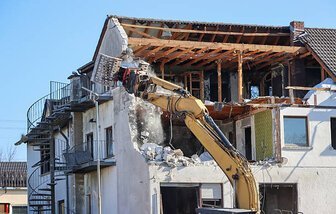
House Demolition Costs
Several key factors will affect the overall cost of house demolition. The size of the property is a primary consideration. Larger houses necessitate more time, labor, and equipment, ultimately driving costs higher.

Demolition Surveys Explained
The growing concern surrounding health and safety has led to stringent regulations regarding asbestos-containing materials (ACMs) in construction. In Liverpool, an asbestos demolition survey is a legal requirement before any major
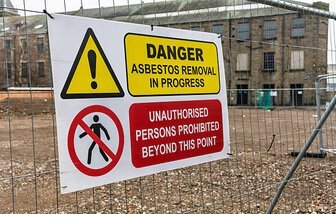
Managing Asbestos In Demolition
To ensure safety and legal compliance, all demolition projects are mandated to conduct a pre-work asbestos refurbishment or demolition survey. This survey must be performed by a qualified surveyor who specializes in asbestos management.
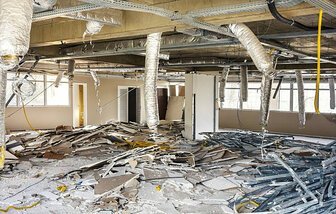
Internal Soft Strip Outs Explained
This meticulous technique involves the careful removal of non-structural elements, ensuring that the core structural framework remains intact. Commonly removed items include fixtures, fittings, internal walls, ceilings, and flooring, paving the way for future modifications.
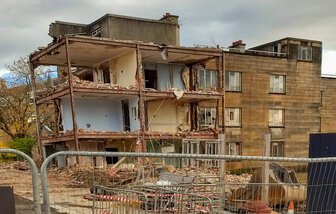
Premature Collapse In Demolition
A premature collapse refers to the unexpected failure of a structure during the demolition phase. Understanding the dynamics that lead to these collapses is vital for anyone involved in construction and demolition.
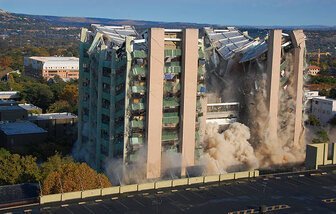
Demolition Environmental Considerations
Demolition activities in urban settings, particularly in Liverpool, can significantly affect the environment. It is crucial to approach these tasks with a keen awareness of their potential impacts on air, water, and soil quality.
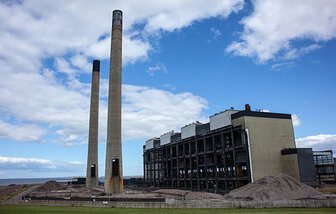
Controlled Demolition Explained
Before any demolition work begins, thorough planning and structural assessment are essential. Professionals assess the integrity of the building and develop a comprehensive plan that outlines the precise steps required for the controlled demolition.
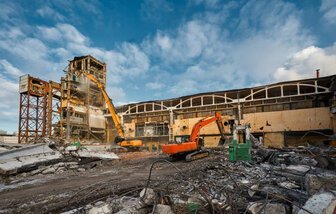
Demolition Methods Explained
Demolition involves the systematic dismantling of structures and is performed for various reasons, including renovating, redeveloping, or safely removing unsafe buildings. Liverpool utilizes several standard demolition methods that reflect techniques used worldwide.
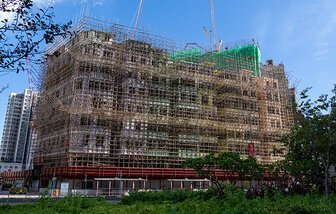
How is waste managed and recycled?
Demolition activities generate a significant amount of waste, necessitating effective management strategies. The hierarchy of waste management focuses on three key principles: reduce, reuse, and recycle.
Ready to start your project?
Let's Work Together
If you’re looking to initiate a project, you’re in the right place. To get started, please complete the form provided below. Share your project details, and our dedicated team will review your requirements promptly. Our goal is to offer tailored solutions that cater specifically to your needs.
Once we receive your submission, you will receive a confirmation email. We encourage you to check all your email boxes to ensure you don’t miss our response. Our team is committed to promptly reviewing your project details, whether it involves a small-scale endeavor or a large-scale development.
Direct Submissions for Faster Quotes
If you already have a project in mind and would like to receive a direct price quote, please feel free to send us your project documents and any relevant photographs at projects@completeuk.uk. We will meticulously evaluate these documents and provide you with a competitive quote along with a clear timelines for the entire process—from inception to completion.