
Effective Strategies for Managing Demolition Risk in Liverpool
Before starting a demolition project, it is essential to conduct a comprehensive site assessment and create a detailed demolition plan. This involves inspecting the building's structure and materials, identifying hazards, and implementing robust safety protocols to protect workers and the surrounding community. By focusing on thorough planning, risk assessment, and worker training, you can ensure safety measures are effectively tailored to address potential challenges. Understand the importance of utility disconnection, emergency preparedness, and managing environmental impacts, such as dust and noise pollution. Elevate your demolition project success by prioritizing safety from the ground up.
Understanding Demolition Risk Management
Managing demolition risk in Liverpool, as in the rest of the UK, is a critical aspect that requires meticulous planning and execution. This process, essential to ensuring public safety and environmental protection, involves a series of steps aimed at minimizing potential hazards associated with demolition activities.
Legal Requirements and Notifications
One of the first steps in managing demolition risk effectively is notifying the Liverpool City Council’s building control. This notification is not just a formality; it is a legal requirement intended to ensure that all demolition projects comply with established safety protocols.
Engaging with the council early in the process helps clarify obligations and avoids misunderstandings that may lead to penalties or project delays.
Engaging Competent Professionals
To further mitigate demolition risk, it is imperative to engage competent professionals with experience in managing such projects.
These experts will help navigate the complexities of local regulations and ensure that safety measures are meticulously planned and implemented.
From structural engineers to licensed contractors, having the right team in place can significantly reduce risks associated with demolition work, ensuring that the project is carried out safely and efficiently.

Additional Information Managing Risk And Demolition Plans In Liverpool
Notifying the Council
Before initiating demolition activities, it is imperative to notify the Liverpool City Council’s Building Control Department. This notification must be submitted at least six weeks in advance of the scheduled work. This timeframe allows the council to thoroughly assess the proposed demolition methods and conduct site inspections to ensure compliance with local regulations.
Importance of Intrusive Surveys
A critical pre-demolition requirement is the conduction of intrusive surveys. These surveys should be performed by a qualified and competent surveyor. The primary aim is to identify hazardous materials, such as asbestos, lead, and mould, which may pose health risks. Moreover, assessing the structural stability of both the building slated for demolition and nearby structures is essential for ensuring safety and compliance.
Disconnection of Utilities
Another vital aspect of the pre-demolition planning process involves identifying and properly handling all utilities. This includes both live and redundant utilities such as gas, water, and electricity. The contractor must be informed about these utilities so they can be safely disconnected and isolated before demolition begins. Failure to do so could result in significant hazards for workers and nearby residents.
Understanding the Need for a Demolition Plan
Developing a professional demolition plan is essential for any demolition project. A competent individual must detail the sequence of operations, outline the equipment to be used, and describe methods for controlling risks and hazards. This approach ensures that all operational aspects are addressed, leading to a safer and more efficient process.
Ensuring Site Safety and Compliance
One of the primary concerns in any demolition project is ensuring that potential collapses remain within the site boundary. The demolition plan should be designed to prevent any adverse effects on the public or neighboring properties. Furthermore, obtaining all necessary permits, including planning permission, is crucial before commencing work. This compliance not only mitigates legal issues but also fosters a trustworthy project reputation.
Communication with Stakeholders
Effective communication is vital for the success of a demolition project. It is important to inform local residents and businesses in advance to minimize disruptions caused by noise, dust, and traffic movements. By proactively engaging stakeholders, you can address concerns and establish a cooperative environment throughout the project duration. Such measures reinforce the professionalism and reliability of your demolition operations.
Understanding Key Hazards in Demolition
Effective hazard and risk management is crucial when planning a demolition project. The demolition plan should comprehensively address various key hazards to ensure safety for workers and the surrounding community. Among these hazards, structural instability is paramount. The chosen method of demolition must ensure that stability is maintained throughout the process to prevent accidents.
Addressing Falling Debris and Hazardous Materials
Another significant hazard in demolition is falling debris. To mitigate this risk, safety measures such as protective barriers, safety nets, scaffolding, and exclusion zones must be implemented. These measures protect not only the workers but also the public in the vicinity. Furthermore, it is essential to ensure that all hazardous materials are safely removed and disposed of by qualified professionals before commencing demolition activities. This step is critical to prevent any health risks associated with hazardous materials.
Minimizing Dust, Noise, and Site Security
The presence of dust and airborne particles is another health concern during demolition. Utilizing dust suppression techniques, such as water sprays, coupled with proper ventilation, helps mitigate these health risks effectively. Additionally, noise and vibration control measures, like sound barriers and monitoring systems, should be employed to minimize impact on both workers and the local community. Limiting working hours may further assist in reducing disturbances. Lastly, maintaining site security and access is vital; installing clear warning signs and temporary barriers will deter unauthorized access, ensuring a safer work environment.
Engaging Competent Professionals
When managing a demolition project, it is vital to engage experienced and qualified contractors for the work. Competent professionals not only bring expertise but also adhere to the rigorous safety standards required in the industry. Ensuring that all workers are properly trained and certified is pivotal in executing safe and efficient operations. By hiring skilled contractors, you minimize risks and enhance project outcomes.
Implementing Safety Measures
To protect the health and safety of all personnel on site, implementing strict safety measures is essential. This includes requiring all workers to wear appropriate personal protective equipment (PPE) at all times. Additionally, ensure that first-aid stations and fire extinguishers are readily accessible throughout the demolition site. Establishing a culture of safety can significantly reduce accidents and improve overall project performance.
Managing Waste Effectively
Creating a comprehensive waste management plan is another critical step in ensuring legal compliance and environmental responsibility. This plan should outline procedures for recycling and disposing of materials according to established legal requirements and the waste hierarchy. Regular inspections during the demolition process will help monitor compliance with the safety plan and promptly address any potential issues.
By following these comprehensive steps, you can effectively manage the risks associated with demolition in Liverpool and ensure compliance with local and national safety regulations. For more detailed guidance, you can find resources on the Health and Safety Executive (HSE) website.

Planning and Legal Requirements
Understanding demolition notice requirements is essential for any demolition project. According to the Building Act 1984, a six-week notice must be provided to local authorities before commencing work.

Demolition Section 80 Notice
A Section 80 demolition notice is an essential legal requirement as outlined under the Building Act 1984. It serves to inform the local council of your intention to demolish a building. Submitting this notice is crucial

Demolition Risk Management
Engaging with the council early in the process helps clarify obligations and avoids misunderstandings that may lead to penalties or project delays. To further mitigate demolition risk, it is imperative to engage competent professionals with experience in managing such projects.
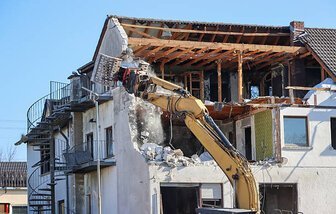
House Demolition Costs
Several key factors will affect the overall cost of house demolition. The size of the property is a primary consideration. Larger houses necessitate more time, labor, and equipment, ultimately driving costs higher.

Demolition Surveys Explained
The growing concern surrounding health and safety has led to stringent regulations regarding asbestos-containing materials (ACMs) in construction. In Liverpool, an asbestos demolition survey is a legal requirement before any major
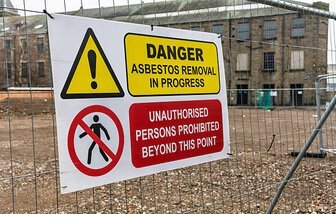
Managing Asbestos In Demolition
To ensure safety and legal compliance, all demolition projects are mandated to conduct a pre-work asbestos refurbishment or demolition survey. This survey must be performed by a qualified surveyor who specializes in asbestos management.
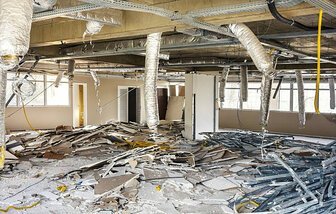
Internal Soft Strip Outs Explained
This meticulous technique involves the careful removal of non-structural elements, ensuring that the core structural framework remains intact. Commonly removed items include fixtures, fittings, internal walls, ceilings, and flooring, paving the way for future modifications.
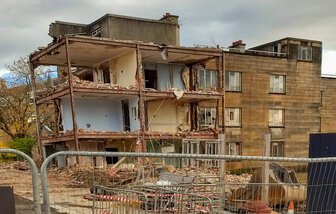
Premature Collapse In Demolition
A premature collapse refers to the unexpected failure of a structure during the demolition phase. Understanding the dynamics that lead to these collapses is vital for anyone involved in construction and demolition.
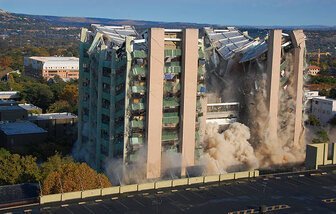
Demolition Environmental Considerations
Demolition activities in urban settings, particularly in Liverpool, can significantly affect the environment. It is crucial to approach these tasks with a keen awareness of their potential impacts on air, water, and soil quality.
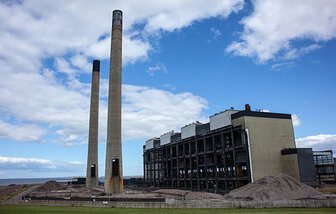
Controlled Demolition Explained
Before any demolition work begins, thorough planning and structural assessment are essential. Professionals assess the integrity of the building and develop a comprehensive plan that outlines the precise steps required for the controlled demolition.
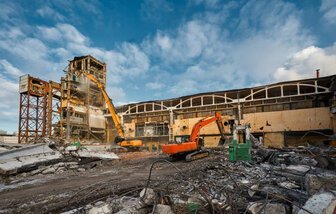
Demolition Methods Explained
Demolition involves the systematic dismantling of structures and is performed for various reasons, including renovating, redeveloping, or safely removing unsafe buildings. Liverpool utilizes several standard demolition methods that reflect techniques used worldwide.
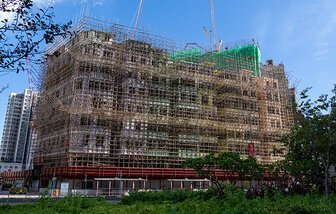
How is waste managed and recycled?
Demolition activities generate a significant amount of waste, necessitating effective management strategies. The hierarchy of waste management focuses on three key principles: reduce, reuse, and recycle.
Ready to start your project?
Let's Work Together
If you’re looking to initiate a project, you’re in the right place. To get started, please complete the form provided below. Share your project details, and our dedicated team will review your requirements promptly. Our goal is to offer tailored solutions that cater specifically to your needs.
Once we receive your submission, you will receive a confirmation email. We encourage you to check all your email boxes to ensure you don’t miss our response. Our team is committed to promptly reviewing your project details, whether it involves a small-scale endeavor or a large-scale development.
Direct Submissions for Faster Quotes
If you already have a project in mind and would like to receive a direct price quote, please feel free to send us your project documents and any relevant photographs at projects@completeuk.uk. We will meticulously evaluate these documents and provide you with a competitive quote along with a clear timelines for the entire process—from inception to completion.